Land Rover Fault Code C1A20-64
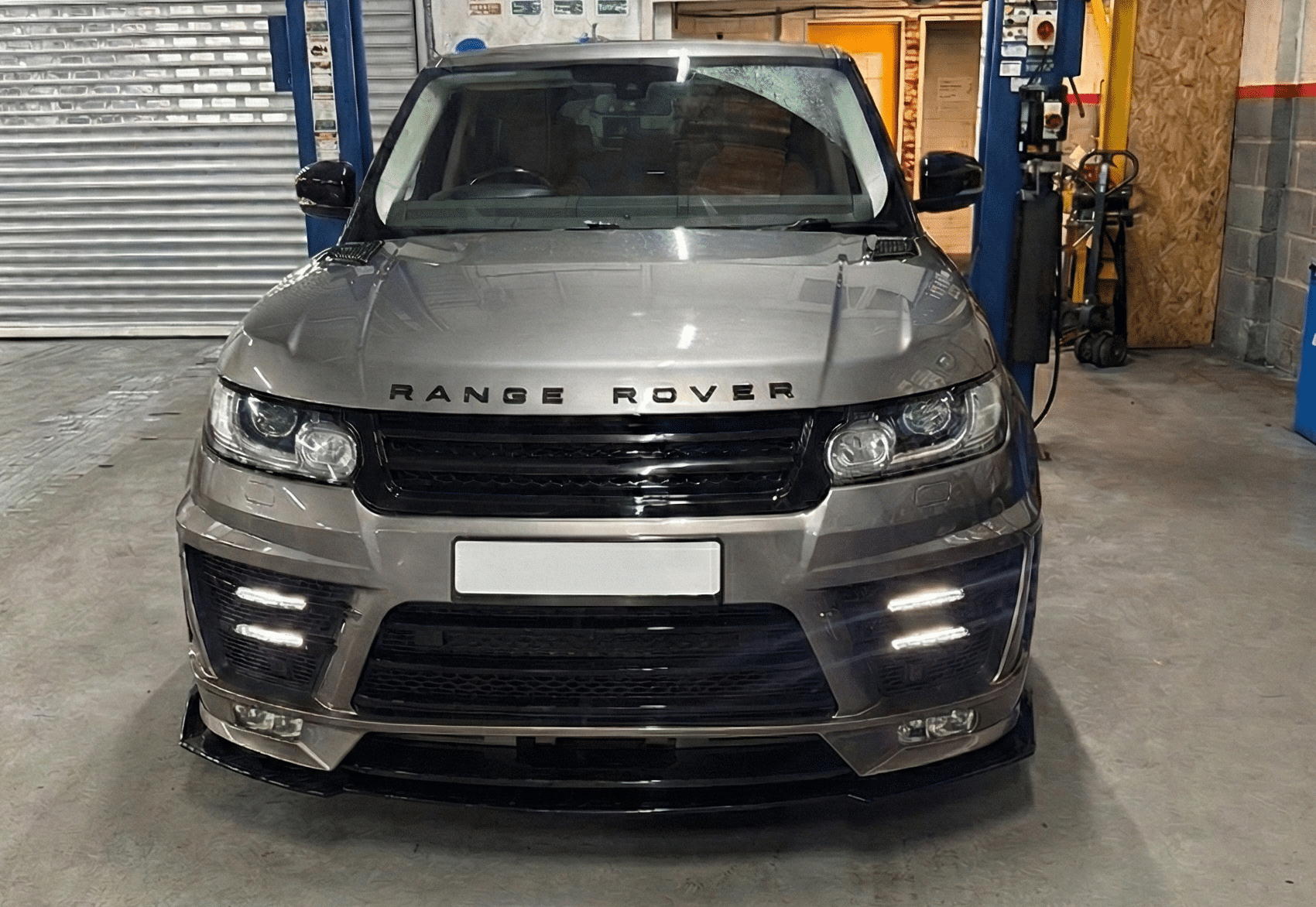
When a vehicle starts behaving differently without a clear explanation, it can be difficult to know where to focus first. For Mr G, his Range Rover Sport was presenting two separate concerns that didn’t initially seem connected: a hard brake pedal and a suspension warning that intermittently limited the vehicle to normal height.
The brake pedal felt unusually firm, particularly first thing in the morning after the vehicle had been left parked overnight. There were no brake-related warning lights showing, but the change in pedal response was clear enough to cause concern. At the same time, a suspension message would appear without warning, restricting ride height adjustment and making the issue difficult to predict.
With both braking and suspension affecting how the vehicle drives and responds, Mr G wanted clear answers rather than guesswork. He booked the Range Rover into Smith’s of London so the issues could be assessed through a structured technical evaluation, allowing each concern to be examined properly and in the correct order.
With the initial details confirmed, the investigation could begin.
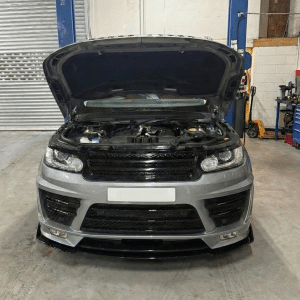
Investigating The Land Rover Suspension Fault and Braking Concerns
When Mr G’s Range Rover Sport arrived at Smith’s of London, the initial focus was on establishing the conditions under which both concerns were present. After the vehicle had been left standing overnight, the brake pedal was assessed cold and the firm response was confirmed. The suspension system was then checked and found to be limited to normal ride height, matching the dashboard warning Mr G had seen.
With these findings confirmed, dealer-level diagnostic equipment was connected to the vehicle to review any stored system data. The initial scan highlighted a suspension-related fault code:
- Land Rover fault code C1A20-64 – air suspension reservoir pressure increases too slowly
This showed that the system was unable to build reservoir pressure within the expected time, which explained the suspension height restriction.
Despite this, the cause of the slow pressure increase was still unclear. At the same time, no braking-related fault codes were present, even though the pedal feel issue had been verified.
At this point, the symptoms were understood but not fully explained. To identify what was happening beneath the surface, a deeper, structured inspection was required.
Pinpointing the Causes Behind the Land Rover Air Suspension Issues and Hard Brake Pedal
With both the braking concern and suspension restriction confirmed, our technicians moved into a more detailed inspection to identify the underlying causes behind each issue.
Step 1: Checking the Suspension System for Air Loss
With Land Rover fault code C1A20-64 logged, attention first turned to understanding why reservoir pressure was increasing more slowly than expected. A Range Rover Sport suspension problem of this type can develop for several reasons, so targeted testing was needed before drawing conclusions.
One potential cause of slow pressure build-up is air escaping from the system before sufficient pressure can be stored. To rule this out, a detailed inspection and leak test of the air suspension components and associated pipework was carried out.
Testing showed no signs of external air loss, confirming that the system was retaining pressure correctly and allowing further investigation to continue.
Step 2: Assessing Compressor Performance
With air leaks ruled out, focus shifted to the compressor itself. Testing was carried out to assess how effectively the unit was able to build and supply pressure to the suspension system.
Results showed that the compressor was unable to raise reservoir pressure within the required time. When this happens, the control system limits suspension height adjustment, which matched the warning message being displayed to Mr G.
This confirmed that the issue lay with the air suspension compressor rather than pressure loss elsewhere in the system, pointing to a Range Rover air compressor fault.
Step 3: Investigating the Land Rover Hard Brake Pedal
Alongside the suspension investigation, the hard brake pedal was examined separately. A symptom of this nature directed attention towards the brake vacuum assistance system rather than the hydraulic braking components.
The issue was recreated, and vacuum supply readings were checked against expected values. From there, the components responsible for generating and maintaining vacuum assistance were assessed in sequence, allowing each part of the system to be isolated and tested.
The Conclusion: Two Faults Confirmed Through Testing
By the end of the investigation, clear and evidence-backed conclusions had been reached for both concerns.
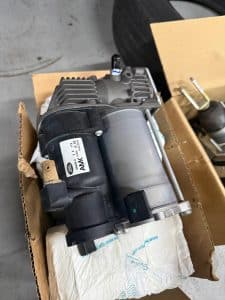
The suspension warning and Land Rover fault code C1A20-64 were traced to an air suspension compressor that could no longer build reservoir pressure at the rate required by the system.
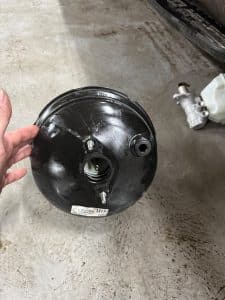
The hard brake pedal was caused by a failing brake assistance servo, which was allowing stored vacuum to deplete while the vehicle was parked.
With both faults confirmed through structured testing, the investigation phase was complete, and the repair stage could begin with a clear understanding of what needed to be addressed.
Carrying Out the Repairs Required to Resolve the Brake and Suspension Faults
With both faults clearly confirmed through structured testing, the next stage was to complete the repairs needed to address each issue at the source. All work was carried out in line with manufacturer procedures to ensure both systems were restored without creating secondary concerns.
Brake Assistance Servo Replacement
Work began with the braking system. Access to the brake assistance servo was gained using manufacturer-approved methods, allowing the component to be removed without interfering with the hydraulic side of the braking system. The failed servo was then removed and replaced with an OEM-quality unit, ensuring correct alignment and secure installation.
Once the replacement was in place, all vacuum connections were refitted and checked to confirm the system was sealed correctly. The brake pedal was then reassessed to confirm that brake assistance had returned and that pedal response was consistent under normal conditions.
This ensured the braking concern was addressed directly, without affecting other elements of the braking system.
Range Rover Air Compressor Fault Replacement
With the braking repair completed, attention moved to the suspension system. The faulty air suspension compressor was removed and replaced with a new unit, following manufacturer guidance throughout the process.
Airline connections were refitted carefully to ensure the system could build and retain pressure once returned to operation. Dealer-level software was then used to reset the suspension system, allowing normal control to be restored.
The suspension system was checked to confirm that height adjustment was available again and that the earlier restriction was no longer present.
Final Checks
With the repair work completed, the next step was to verify that both systems were functioning as intended. The stored Land Rover fault code C1A20-64 was cleared to allow the vehicle to be reassessed without any previous conditions influencing the results.
The suspension system was then tested to confirm that reservoir pressure could be built within the expected time and that height adjustment was no longer restricted. The braking system was also checked again to confirm that pedal assistance was consistent following the servo replacement.
With no warning messages returning, the Range Rover Sport was road tested. This confirmed that the brake and suspension issues identified earlier had been successfully resolved.
The Result After Structured Fault Identification and Repair
Following completion of the repairs and verification checks, Mr G’s Range Rover Sport was returned in a far more predictable and confidence-inspiring state. The hard brake pedal concern was no longer present, with pedal assistance restored and responding consistently under normal driving conditions.
The suspension warning message had also been eliminated. The system was able to build reservoir pressure within the expected time, allowing full height adjustment to operate again without restriction and restoring normal suspension behaviour.
By having both issues assessed through a structured technical evaluation at Smith’s of London, the underlying causes were identified accurately before any components were replaced. This ensured the correct repairs were carried out without unnecessary work or repeat visits.
With both concerns resolved during the same visit, Mr G was able to collect his vehicle, knowing that the braking and suspension systems were functioning correctly and as intended.
Land Rover Brake or Suspension Problems? Get Expert Help from Smith’s of London
When your Land Rover starts showing warning messages or feels different to drive, it’s important not to put off having it checked. Concerns involving braking or suspension need careful assessment to avoid further disruption or safety issues.
At Smith’s of London, you benefit from:
- Technicians experienced in working with complex Land Rover systems
- A structured, evidence-led technical evaluation process
- Repairs completed using OEM-quality components
- A 12-month parts and labour guarantee for added peace of mind
Smith’s of London holds a {{average-rating}} star Google rating from {{review-count}} reviews, reflecting the consistent standard of work and customer care provided.
If you’re concerned about how your Land Rover is driving, call 020 8674 3377 and speak to the team at Smith’s of London.