VW Intake Valve Carbon Buildup
Your VW Golf GTI used to feel sharp. That instant pull when you pressed the throttle, the way the engine responded without hesitation, the kind of drive that made every gear change feel deliberate.
Now, something’s off.
The idle isn’t as smooth, the acceleration feels a step behind where it should be… and the sharpness you fell for has started to fade.
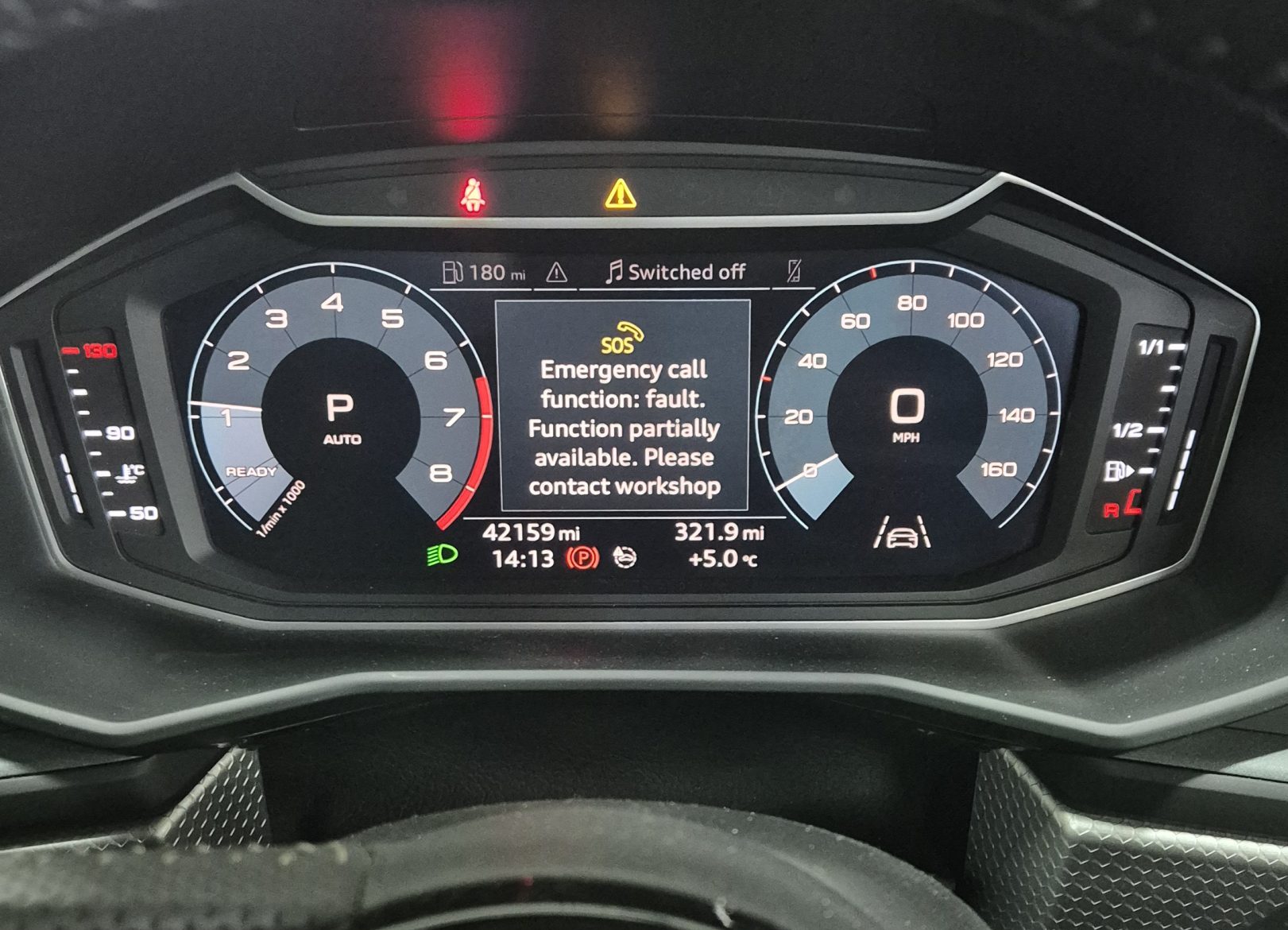
There’s no warning light, no fault code, nothing obvious on the dashboard to explain it. But inside your engine, something has been changing since the day it rolled off the production line.
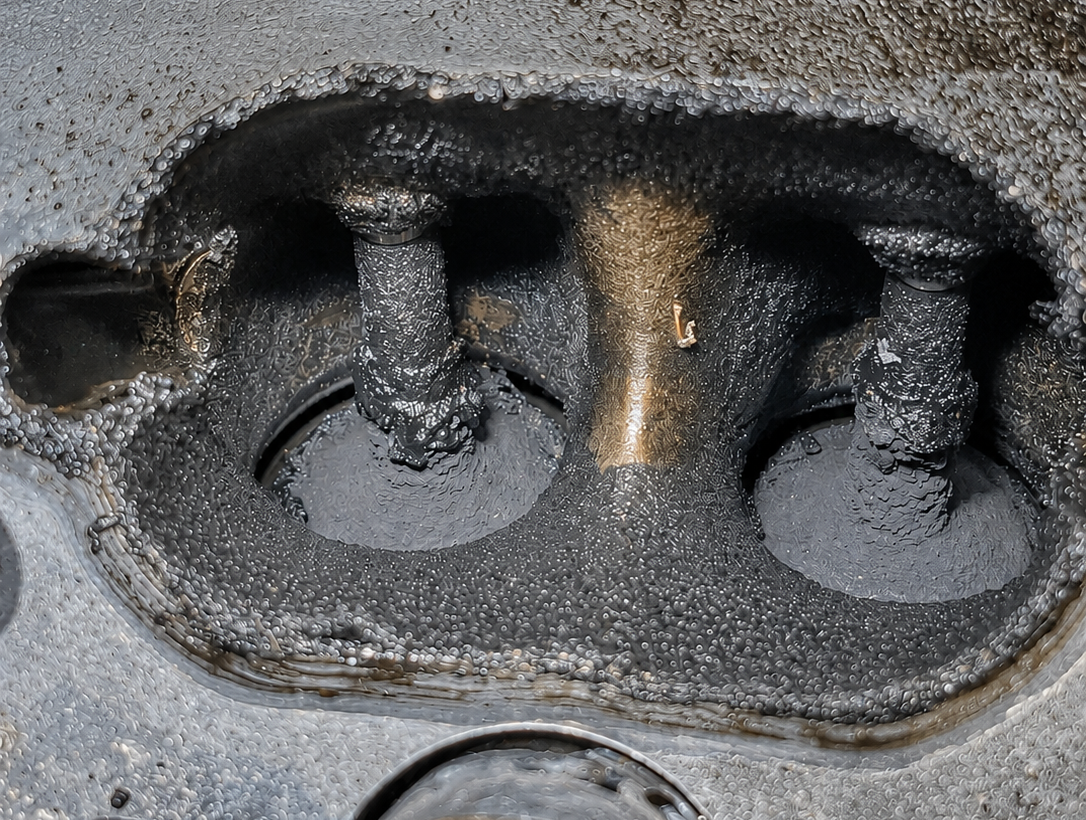
VW Golf and Tiguan models fitted with the 2.0 TSI petrol direct-injection engine can develop carbon deposits on their intake valves over time. Because fuel is injected directly into the combustion chamber, it bypasses the intake valves altogether. Oil vapour from the engine’s ventilation system coats the valves, hardens with heat, and gradually restricts the airflow into the cylinders.
Here’s what that means in practice.
In this guide, we’ll look at why VW intake valve carbon buildup happens, what it does to your driving experience, which models are affected, and what a VW specialist can do to restore the performance you’ve been missing.
Why Your VW TSI Engine Is Built Differently
To understand why this happens, it helps to know how your engine handles fuel delivery compared with older designs.
Most traditional petrol engines used port injection. Fuel was sprayed into the intake manifold, just behind the intake valves, before entering the cylinder. As the fuel passed over the valve surfaces, its detergent properties helped to keep them clean. It was a side effect of how those engines worked, not a deliberate cleaning system.
The TSI engine in your VW does things differently. Fuel is injected at high pressure directly into the combustion chamber, bypassing the intake valves altogether.
This gives the engine tighter control over how fuel is delivered and burned. It’s one of the reasons the Golf GTI and Tiguan feel as responsive as they do.
But there’s a cost…
Without fuel washing over the intake valves with every combustion cycle, one of the natural mechanisms that keeps those surfaces clean is gone. Over tens of thousands of miles, the consequences of that trade-off start to show.
What Causes Carbon to Accumulate on Your Intake Valves?
All petrol engines produce a small volume of oil vapour during normal operation. The engine’s ventilation system routes that vapour back into the intake tract, where it’s drawn into the cylinders and burned off. On port-injection engines, fuel passing over the intake valves helps prevent the vapour from settling.
On a TSI engine, fuel goes straight into the cylinder. It doesn’t make contact with the intake valves. So the oil vapour lands on the back of the valves, with nothing to clear it.
The engine’s heat hardens those deposits into a stubborn layer of carbon that builds up gradually, one layer at a time, across tens of thousands of miles. As the layer thickens, it begins to restrict airflow into the cylinders. Less airflow means less effective combustion, and that’s the moment you begin to notice the car doesn’t feel the way it used to.
What VW Golf Carbon Buildup Symptoms Feel Like When You’re Driving
Because the buildup happens so slowly, VW Golf carbon buildup symptoms can be easy to miss at first. You might put it down to the car ageing or just accept that it doesn’t feel as lively as it once did.
If you’ve been searching for ‘Why does my VW Golf run rough?’, carbon deposits on the intake valves are one of the more widely reported explanations for TSI-engined models.
Signs that carbon deposits may be affecting your engine include:
- Rough idle: An uneven, jittery idle that’s especially noticeable on cold mornings. You may feel a vibration through the steering wheel or pedals that wasn’t there before.
- Hesitation when accelerating: The instant throttle response that once defined your Golf now feels dulled or delayed, particularly when pulling away from junctions or overtaking.
- A loss of overall sharpness: VW Golf GTI carbon buildup is something Golf GTI and Golf R owners can be among the first to notice. The car just doesn’t deliver the way it used to.
- Engine management warning light: If the restricted airflow causes misfires or combustion irregularities, a warning light may appear on the dashboard.
These symptoms can also point to other issues, so if you notice any of them, it’s worth having a specialist carry out a thorough technical evaluation to identify the root cause.
Which VW Models Develop Intake Valve Carbon Buildup?
If your VW runs a 2.0-litre TSI petrol engine, the direct-injection fuelling design means the intake valves are exposed to this pattern of carbon accumulation.
The models most affected are:
- Golf GTI and Golf R (Mk7, 2013-2020)
- Golf GTI and Golf R (Mk8, 2020 onwards)
- Tiguan (2016 onwards with the 2.0 TSI)
What links these Volkswagen models is a shared engine design. The same direct-injection approach that delivers their performance also means the intake valves receive no fuel wash, leaving them open to the same deposit mechanism. VW Golf GTI carbon buildup and Tiguan intake valve carbon buildup share the same root cause and are addressed in the same way.
VW isn’t alone in this. Direct-injection carbon buildup is reported across a wide range of manufacturers.
The TSI engines do appear among the more widely reported, though, and because these are performance-focused cars, owners tend to pick up on the change in sharpness sooner than they would in a less responsive vehicle.
The reassurance is that it’s a well-understood pattern, and a VW specialist will have dealt with it many times before.
How Carbon Deposits Are Removed From VW TSI Valves
Fuel additives and chemical cleaners can help maintain the fuel system, but they can’t reach the back of the intake valves where VW intake valve carbon buildup sits. Whether it’s VW Golf or Tiguan intake valve carbon buildup, the most effective approach is direct mechanical cleaning.
An example of direct mechanical cleaning is walnut shell blasting.
This is where finely crushed walnut shells serve as a gentle abrasive. They’re firm enough to strip hardened carbon, yet soft enough to leave the valve surfaces intact when the work is handled by an experienced technician.
Getting to the valves on the 2.0 TSI means removing the intake manifold first. Once it’s off, the technician directs the walnut-shell media onto each valve using specialist equipment. A vacuum system works in parallel, pulling away the broken-up carbon and spent shell material before any debris can reach the engine internals.
The quality of the outcome comes down to the person doing it.
Correct tooling matters, but so does knowing the engine. After the valves are clean, the manifold is refitted with fresh gaskets, the engine is rebuilt, and many owners report a clear improvement in how the car responds from standstill and how smoothly it idles.
Why Choose Smith’s of London for VW Carbon Cleaning?
VW intake valve carbon buildup isn’t something that’s picked up during a routine service. Identifying it takes a thorough technical evaluation by a specialist who understands the VW TSI engine and knows what to look for.
Cleaning it requires the right equipment and the skill and experience to remove and reseal the intake manifold correctly. This is why choosing the right Volkswagen specialist is important.
At Smith’s of London, Croydon, we work with VW owners across Croydon, Beckenham, Coulsdon, and the surrounding area.
Our team has the experience and equipment to investigate performance concerns on Golf GTI, Golf R, Tiguan, and other VW models. If carbon buildup is behind the issue, we have what’s needed to address it.
Here’s what sets Smith’s of London apart:
- Every repair is covered by a 12-month parts-and-labour guarantee.
- Our technicians conduct every evaluation using their experience alongside manufacturer-grade equipment.
- You’ll know exactly what’s needed and what it costs before any work begins.
- We take the time to explain what we’ve found and what we recommend.
Join {{review-count}} other local drivers across Croydon who’ve rated us {{average-rating}} for detailed knowledge, accurate repairs and excellent value.
Speak to our team at Smith’s of London on 020 8674 3377 to book your vehicle in for a technical evaluation.
Frequently Asked Questions About VW Carbon Buildup
How do I know if my VW Golf has carbon buildup?
If your VW Golf has carbon buildup, you’ll typically notice a rough or uneven idle, hesitation when you press the accelerator, and a drop in the throttle sharpness you’re used to. VW Golf carbon buildup symptoms may also include a vibration felt at idle or, in more advanced cases, an engine management warning light. If you’ve been wondering, ‘Why does my VW Golf run rough?’, carbon deposits on the intake valves are among the more widely reported causes on TSI-engined models. Similar symptoms can have other causes, so having a specialist carry out a thorough technical evaluation is the best way to confirm what’s going on.
How often does VW intake valve carbon buildup need cleaning?
There’s no fixed interval for VW intake valve carbon buildup cleaning because carbon accumulates at different rates depending on how the vehicle is driven and maintained. The symptoms tend to surface after the engine has covered tens of thousands of miles, though that timeline shifts from car to car. A technician with VW TSI experience is the right person to evaluate whether your engine has reached the point where cleaning would make a difference.
Can fuel additives prevent carbon buildup on VW engines?
No. Fuel additives can’t prevent carbon buildup on VW engines with direct injection because the intake valves sit outside the fuel’s path. No liquid additive contacts the back of those valves, which is where the carbon accumulates. Established deposits can only be cleared by mechanical cleaning performed by an experienced technician equipped for intake valve work.
How much does VW intake valve carbon cleaning cost?
The cost of VW intake valve carbon cleaning depends on how severe the deposits are and the access work your particular engine requires. Our team at Smith’s of London, Croydon, is the smart alternative to the main VW dealer.
Give us a call on 020 8674 3377, and we’ll talk you through the process and confirm whether cleaning is the right next step for your car.